


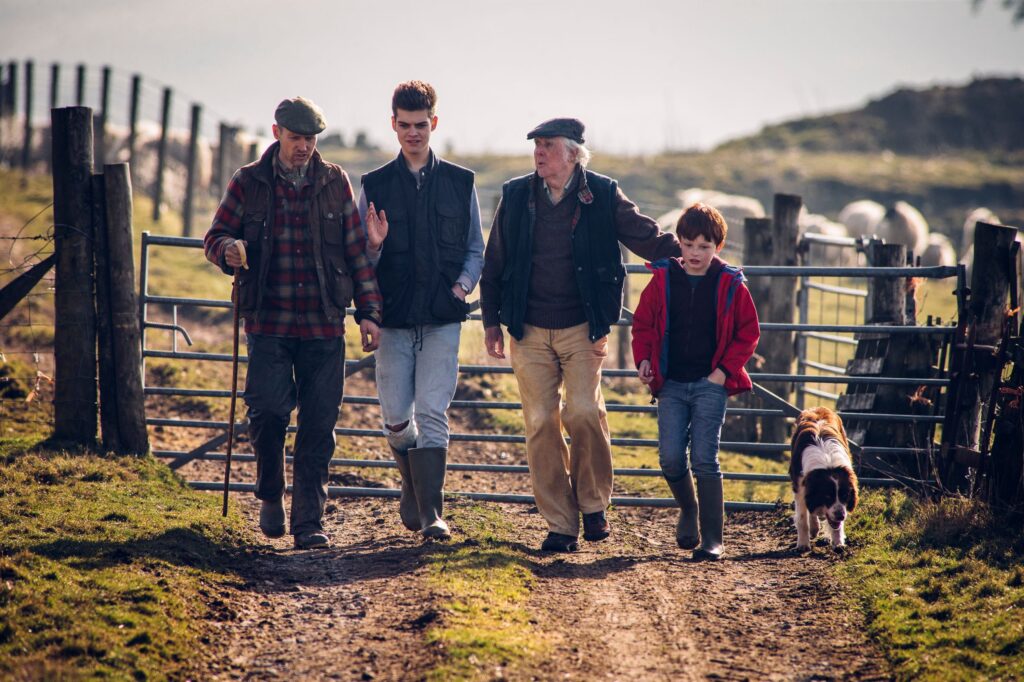
As a farmer, you have dedicated your life to your land, your crops and your animals. But what will happen in the next generation? Succession planning is a crucial part of farming, and it involves putting in place the measures needed to protect the future of your farm and ensure that it continues to thrive and benefit your family for years to come.
That work has never been more pressing. The changes to inheritance tax reliefs that took effect in April 2026 mean the tax landscape you may have planned around for decades has shifted, and many farming families now need to revisit arrangements they thought were settled.
Why succession planning is now more urgent
For many years, qualifying agricultural and business property could pass down the generations with full relief from inheritance tax and no cap on the amount relieved. That is no longer the case. Wills that were drafted on the old assumptions may no longer work as intended.
Since 6 April 2026, 100% inheritance tax relief for agricultural and business assets is limited to the first £2.5 million of combined qualifying property. Above that £2.5 million, relief falls to 50%, giving an effective inheritance tax rate of 20% on the excess. Should you make lifetime gifts, the £2.5 million allowance applies to this as well and refreshes every seven years in a similar way to other lifetime gifts. Any unused allowance from a first spouse’s estate can also be transferred to the surviving spouse’s estate.
The result is that, for the first time in a generation, passing on the farm may carry a real inheritance tax cost. That does not mean the position is hopeless, but it does mean that planning early, and reviewing what you already have in place, matters more than it ever has. Careful use of lifetime gifts, the structure of your partnership, and the way your wills are written can all make a substantial difference to what your successors ultimately keep.
Succession planning measures
Below we set out the succession planning measures you need to put in place to protect the future of your farm.
Creating a partnership agreement
Where more than one generation is involved, a partnership agreement is crucial. This will outline the roles each family member is to play in the operation of the farm, confirm their rights and responsibilities, and control the division of profits and assets.
If one of the partners dies, the partnership agreement will ensure that the survivors can continue with minimal disruption to the farm business. At the same time, it will protect the value of the late partner’s interest in the land and business for their chosen successors, as specified in their will.
To make the best use of the reliefs that remain, it is usually best for land farmed by the family to be an asset of the partnership, even though individual family members may have particular ownership rights that are private within the family. How the partnership holds and records its assets can directly affect the relief available, which is one more reason to have the agreement properly drawn up and kept under review.
Having consistent wills
It is equally important that members of farming families have wills that are consistent with the partnership agreement and with each other.
This has taken on new significance since the April 2026 changes. Because the £2.5 million allowance can be passed between spouses, reviewing how your wills are structured so that each allowance is used is now one of the most valuable steps a farming couple can take.
Sometimes parents have to balance the interests of those children who will continue farming with children who are to make their way in the outside world. A critical question here is what is affordable. It may be possible to provide for everyone, but if not, hard decisions must be made.
Those who farm themselves know how hard they have to work to look after everything and continue to make a profit. This is not always so obvious to family members who see a desirable rural lifestyle and potentially very valuable assets. Properly thought-through wills, perhaps with trusts for future generations, will help to avoid costly conflicts while providing flexibility for the future.
Remember that wills should be reviewed and updated regularly. We recommend at least every five years, and sooner if your circumstances or the tax rules change, as the needs of your farm and family develop over time.
Professional advice
To ensure your farm’s future is protected, it is important to seek the advice of professionals at every step. This includes solicitors, accountants and land agents working together. They can help to ensure your succession plan is comprehensive and addresses every area of concern, and at least one of them must be expert in all the tax issues involved in business and succession, a point that carries even more weight under the new regime.
By working with professionals, you can make informed decisions about the future of your farm and ensure it continues to thrive for generations to come. They can help you create a plan tailored to your unique needs and guide you on the best way to achieve your goals.
How we can help
If you would like to talk to someone about any aspect of succession planning, please contact Patrick Brennan, Anthony Nixon or William Hadley, who will be delighted to guide you.
You may also be interested in our upcoming seminar at Lainston House on 15 October, where our agricultural team and fellow professional advisers will explore succession and the multi-generational transition of farms and estates in more detail. Please contact a member of the team if you would like further information.
Explore our comprehensive range of services on our Agricultural Land, Farms & Estates page to discover additional ways we can assist you.
We publish blogs and social media posts to give a general overview of legal and commercial issues, relevant at the time of publication, which we hope you will find interesting. Please note that legal rules often change depending on the specific facts of a situation. The law also changes over time following changes in legislation or new court cases. We do not actively update our blogs or posts once they are published to reflect changes in the law.
As such, our blogs and posts are not intended to advise you on the law and must not be relied upon as legal advice. If you require advice on a particular issue then please contact us and we will be pleased to help.