


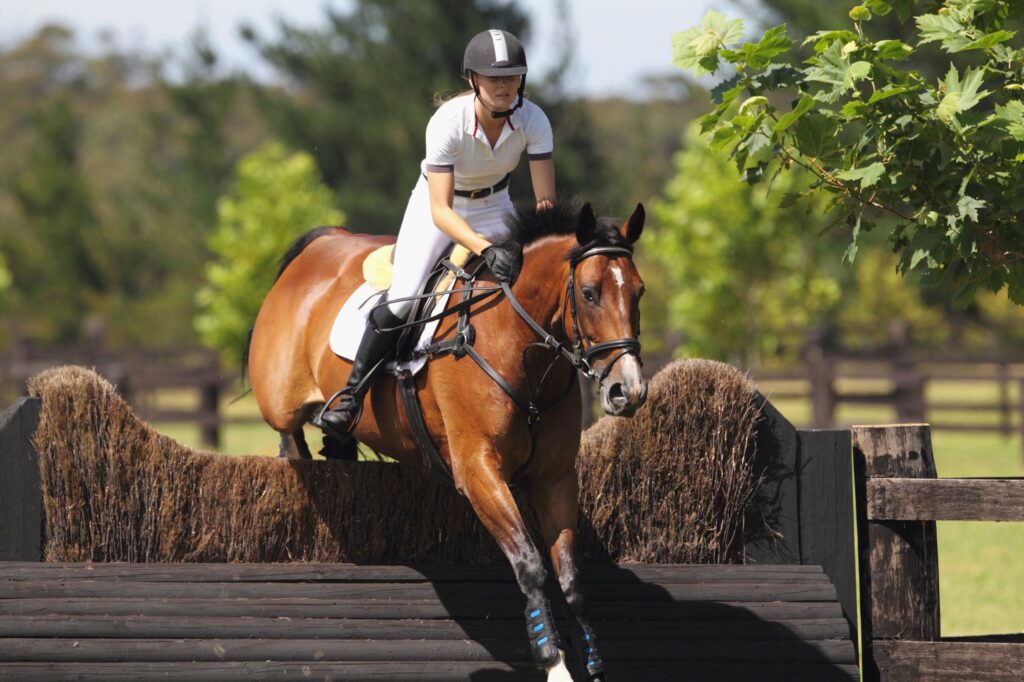
Competing at any level in equestrian sport is expensive. Stabling, veterinary costs, transport, and entry fees all add up. Prize money, if it is available, rarely covers it, which is why sponsorship matters so much in this sport. A well-structured sports sponsorship agreement can fund a season while building a rider’s profile, helping transform a promising rider into a genuinely backed competitor.
Sports sponsorship agreements are almost always drafted by the sponsor, in the sponsor’s interests. Many riders sign without legal advice, often without fully considering or understanding how the terms will operate in practice. When disputes arise, they can be very costly and both parties’ reputations may be at risk.
Understanding what to look for before you sign is the first step to protecting yourself, whether you’re the rider, a parent signing on a junior’s behalf, or the business putting your name on the horsebox.
What Is a Sports Sponsorship Agreement?
A sports sponsorship agreement is a legally binding contract between a sponsor and an athlete, setting out the commercial terms of their relationship. It defines what the sponsor provides (whether this is money, products, services, or a combination) and what the athlete must do in return, for instance, use and promote the sponsor’s products, appear at events, and post on social media.
Why Equestrian Sport Creates Particular Challenges
As every equestrian knows, no two horses are quite the same and a product that suits one horse may not suit another. A rider with several horses can find themselves contractually tied to using a sponsor’s product even where it is unsuitable or unsafe for a particular horse.
Competition schedules can also be unpredictable. Events get cancelled and injuries can keep horse and rider out of competition for significant periods. Performance obligations that look reasonable when signed can become impossible to meet once circumstances change.
If the rider competes both individually and as part of a team, they should be mindful of any conflicting obligations and of inadvertently breaching one sponsor’s exclusivity terms.
Key Clauses in a Sports Sponsorship Agreement
Payment and Benefits
Is the sports sponsorship for money, products, services, or a mix? How and when is it delivered, and what happens if the sponsor or rider doesn’t follow through?
Exclusivity
Exclusivity clauses may restrict a rider from working with competing brands, but the scope matters enormously. Is it limited to one product category, or does it cover much more?
Branding Obligations
Most sports sponsorship deals expect a rider to actively promote the brand, but vague requirements cause disputes. Riders should know exactly what needs displaying, where (be it the rider’s clothing, the horse’s rugs, or on the horsebox), and at which events.
Performance Obligations
Riders will likely be required to promote the brand on various social media platforms. As the rider, there may be minimum post requirements that you can’t keep up with. As the sponsor, you may want to approve certain posts made by the rider before they go live.
If a rider is required to make event appearances, these will need to be realistic against the competition calendar and the horse’s welfare.
Image Rights
Image rights grant the sponsor commercial use of a rider’s name, image, and likeness. How broad this right is, whether it’s exclusive, how long it lasts, and how much money it’s worth depends on the nature of the deal.
Termination Rights
Most sponsorship agreements allow the sponsor to terminate if the rider brings the brand into disrepute or fails to perform their key obligations. Riders equally need clear exit routes of their own, for instance if a product substantially changes or raises a safety concern.
Common Sports Sponsorship Agreement Mistakes
- Signing without legal advice, trusting that a sponsor’s standard terms are fair simply because they are standard.
- Agreeing or setting obligations that aren’t realistic once checked against an actual competition schedule.
- Overlooking team conflicts, where a personal deal and a team requirement pull in different directions.
- Not planning for things going wrong, such as injury, an underperforming season, or a product that stops working for a particular horse.
- Signing a junior rider’s agreement without full parental understanding of what’s actually being committed to.
Reviewing a Sports Sponsorship Agreement Before Signing
- Read the full agreement, not just the headline commercial terms.
- Flag any obligations you’re not confident you can meet.
- Check exclusivity provisions against your existing and planned sponsorship arrangements.
- Understand exactly what triggers termination, on both sides.
- Take legal advice, particularly for high-value or long-term sports sponsorship deals.
Getting the Agreement Right Protects Both Sides
Sports sponsorship works best as a genuine partnership. For riders, that means not necessarily accepting the first draft put in front of you. For sponsors, a well-structured agreement protects the investment and reduces the risk of disputes down the line.
Reviewing and negotiating terms before signing is straightforward risk management and considerably cheaper than resolving a dispute once things have gone wrong.
Riders competing under British Equestrian rules should also ensure any sponsorship arrangement complies with the relevant governing body requirements. For further guidance, visit British Equestrian.
If you’re a rider, parent, sponsor, or business involved in equestrian sport and want advice on a sponsorship arrangement, our Equestrian Law team can help you get the terms right from the outset.
Sports Sponsorship Agreement FAQs
Do I need a written agreement for equestrian sports sponsorship?
Without one, there’s no reliable record of what either side agreed to, and disputes over exclusivity, performance, or product use become far harder to resolve. Even informal arrangements should be documented.
How can I end the sponsorship?
This depends on each party’s termination rights under the sponsorship agreement. As many sponsorship agreements are drafted in favour of the sponsor, riders often have few rights to end the arrangement until the end of the agreed term, unless there has been a serious breach of contract.
Need Advice on a Sports Sponsorship Agreement?
Whether you’re a rider seeking sponsorship, a parent supporting a junior competitor, or a business investing in equestrian sport, a well-drafted sponsorship agreement can help prevent misunderstandings and protect everyone involved.
Our Equestrian Law team advises riders, sponsors and businesses on drafting, reviewing and negotiating sponsorship arrangements. We can help ensure your agreement reflects your commercial objectives, clearly sets out each party’s obligations and minimises the risk of disputes.
Contact our Equestrian Law team today to discuss your sports sponsorship agreement and get the right protections in place from the outset.
We publish blogs and social media posts to give a general overview of legal and commercial issues, relevant at the time of publication, which we hope you will find interesting. Please note that legal rules often change depending on the specific facts of a situation. The law also changes over time following changes in legislation or new court cases. We do not actively update our blogs or posts once they are published to reflect changes in the law.
As such, our blogs and posts are not intended to advise you on the law and must not be relied upon as legal advice. If you require advice on a particular issue then please contact us and we will be pleased to help.