


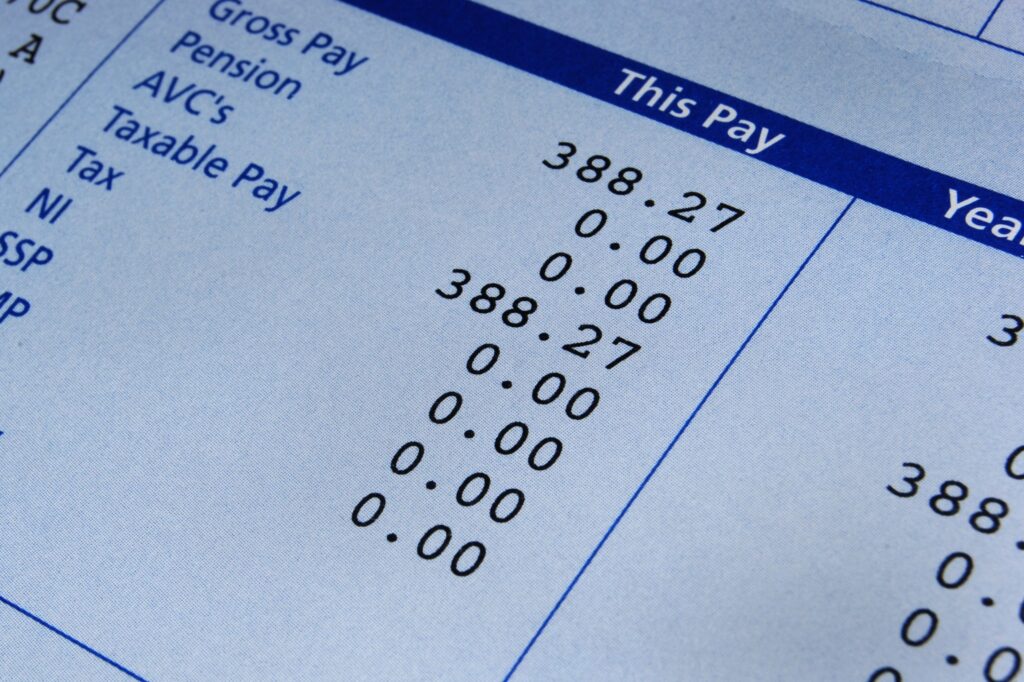
The Employment Appeal Tribunal (the “EAT”) has confirmed that an employer’s obligation to “give” workers an itemised pay statement under section 8 of the Employment Rights Act 1996 (“ERA 1996”) is not limited to physically handing over, posting or otherwise delivering a paper payslip. In Leedham v Royal Mail Group Ltd, the EAT held the requirement to “give” workers an itemised pay statement, provided access is practical, free from real barriers and allows workers to understand and challenge their pay.
The decision will be welcomed by employers who have moved, or are considering moving, to digital-only payroll systems. However, it is not a blanket approval of all electronic payslip arrangements. The EAT was clear that compliance remains fact-sensitive, and employers must ensure that their systems do not impose cost, technical difficulty, privacy concerns or other practical burdens on workers.
What does section 8 ERA require?
Section 8 ERA 1996 gives workers the right to receive, at or before payment, a written itemised pay statement showing key details such as gross pay, deductions, net pay and payment method. Further information is available in the Government’s guidance on payslips.
The right is intended to ensure pay transparency, enabling workers to check calculations, identify deductions and challenge errors. The issue in this case was whether that statutory purpose requires the payslip to be physically delivered, or whether making it available electronically can be enough.
Background to the dispute
Mr Leedham worked for Royal Mail. From June 2023, Royal Mail moved from paper payslips to digital payslips via its People App or a web browser, with paper copies retained only for employees unable to access them digitally due to disability or medical reasons.
Mr Leedham did not receive paper payslips or access them online. Although he had a suitable smartphone and could use free public facilities to view or print them, he claimed Royal Mail had failed to “give” him an itemised pay statement.
The tribunal rejected the complaint. It found that Mr Leedham had no medical or other impediment to accessing the digital system and concluded that the word “given” was not confined to physical delivery. On the tribunal’s view, the statutory obligation could be met by providing access to the relevant information electronically.
The appeal to the EAT
Mr Leedham appealed, arguing that section 8 required more than making a payslip available through a digital system.
He also argued that the system was coercive because it required employees to use personal devices and employer-mandated software, and raised Article 8 privacy concerns about tracking within the app. The tribunal had declined to determine the privacy point.
The EAT’s decision on electronic payslips
The EAT dismissed the appeal. It held that the word “given” should be interpreted purposively, by reference to the objective of section 8. That objective is not to prescribe a particular method of delivery, but to ensure that the worker receives, or has proper access to, intelligible information about their pay.
There was no requirement in section 8 for a payslip to be physically transferred to the worker. The key question is whether the worker can access the information in a way that enables scrutiny and challenge.
On the facts, Royal Mail’s digital-only system complied with section 8. Mr Leedham had the means to access his payslips, there was no finding that he had been required to incur costs or surrender personal data, and there was no medical, technical or practical barrier preventing access. The fact that he chose not to use the digital system did not mean that Royal Mail had failed to provide the statement.
Important limits on the decision
The EAT emphasised that the answer may be different in another case. A system that prevents a worker from obtaining their payslip because of cost, technical barriers, lack of reasonable accessibility or other constraints may not satisfy the statutory purpose. Similarly, a system may also fail if workers must do more than is reasonably incidental to receiving a payslip.
The EAT rejected the broad proposition that requiring use of a smartphone, in itself, imposes an impermissible condition. It considered such technology to be an ordinary feature of everyday communication. However, employers should not assume that all workers will necessarily have easy or reliable access to a suitable device, internet connection, printer or private location in which to review pay information.
The Article 8 point was not determined, but the EAT noted that tracking or extracting data from personal devices could engage privacy rights. This is a reminder that payroll, HR technology and data protection issues often overlap.
What should employers do?
Employers using electronic payslip systems should ensure that the system is genuinely accessible in practice, not merely available in theory. In particular, employers should consider:
- whether workers can access payslips at or before the time wages are paid;
- whether access is free and does not require workers to incur data, printing or equipment costs;
- whether alternatives are available for workers with disabilities, medical conditions, limited digital access or other practical barriers;
- whether the system allows workers to view, download, save or print payslips easily;
- whether workers receive clear instructions and support on how to access the system;
- whether any app or portal collects personal data from workers’ devices, and whether that processing is necessary, transparent and compliant with data protection obligations; and
- whether the employer’s payroll and HR policies accurately explain the method of provision.
Where an employer is moving from paper to digital payslips, it should communicate the change clearly and in advance, explain how workers can access their pay information, and provide a route for workers to raise concerns or request adjustments. A short transition period, accessible guidance and a process for exceptions may help reduce the risk of challenge.
Key takeaway
Leedham v Royal Mail Group Ltd confirms that digital payslips can satisfy section 8 ERA, but only where workers have practical and meaningful access. Electronic provision is lawful in principle, but crucially, the system must work in practice.
How we can help
If your organisation is introducing electronic payslips or reviewing its payroll processes, our Employment team can help you ensure that your systems comply with employment law requirements while remaining practical and accessible for your workforce. To discuss your arrangements, please get in touch with a member of our Employment team.
We publish blogs and social media posts to give a general overview of legal and commercial issues, relevant at the time of publication, which we hope you will find interesting. Please note that legal rules often change depending on the specific facts of a situation. The law also changes over time following changes in legislation or new court cases. We do not actively update our blogs or posts once they are published to reflect changes in the law.
As such, our blogs and posts are not intended to advise you on the law and must not be relied upon as legal advice. If you require advice on a particular issue then please contact us and we will be pleased to help.